Worm Castings vs Compost: Which Is Better for Your Garden?
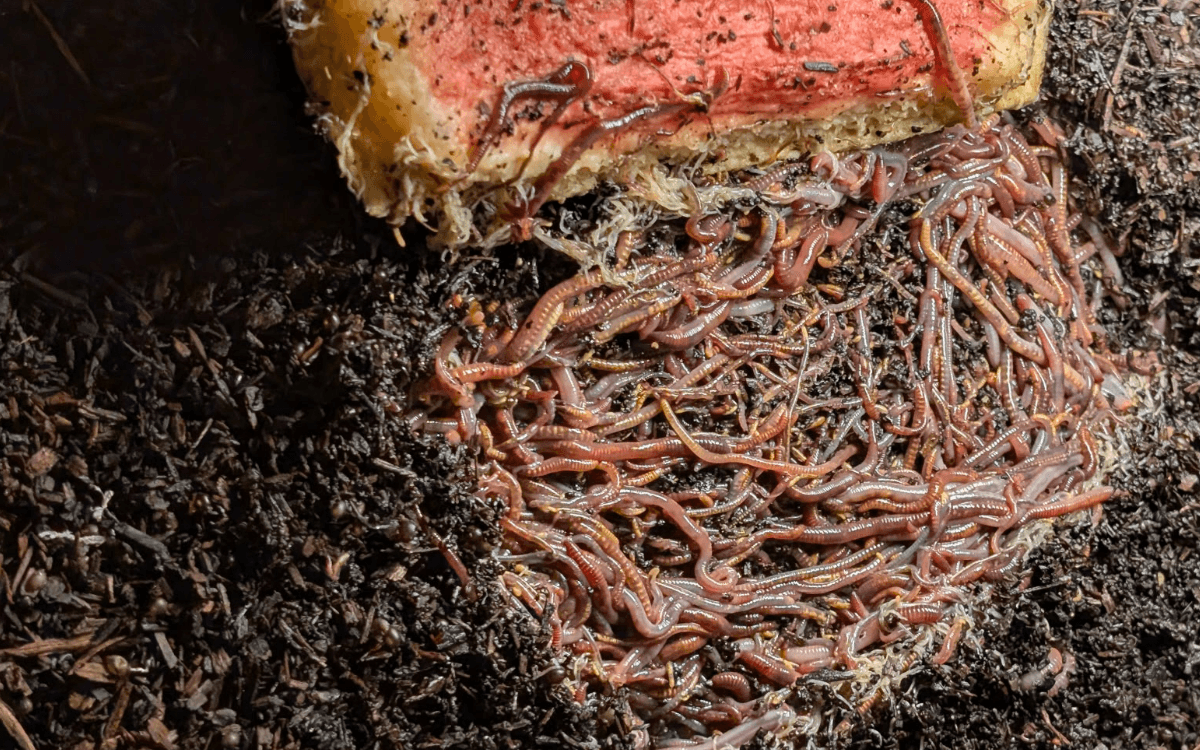
Worm castings and compost are both good for your garden. They even look similar. Dark, earthy, made from decomposed stuff... everything healthy plants want. But which one should you use?
The truth is, even though they might look and sound the same, they do perform different functions. Compost is best used when you need a lot of organic matter throughout the entire bed. Worm castings are for focused application, and should be used around roots, in flower pots, or as top-soil amendment.
If budget allows, you should use both. But it's a good idea to understand where one can work better than the other.
Neither worm castings nor compost should be thought of as potting soil. They are both amendments, not completely growing media of their own right.
What Are Worm Castings?
Worm castings are the "droppings" left behind by worms after they feast on decaying organic material. Inside a worm, the food they eat is turned into worm castings, which are home to microorganisms and plant nutrients.
The exact composition of the castings depend on what the worms eat, so you want to make sure the worms you get the castings from are well cared for and treated with kindness.
Worm castings are:
A source of nutrients and beneficial microbes
Stable and gentle on the plants
Great for containers or seed starter mixes
Useful in small spaces where a compost pile isn't practical
Clean and easy to apply to plants
Castings are typically more expensive to produce than compost because it takes time and effort to raise and feed the worms, not to mention sifting out and packaging the castings.
The benefit is an incredibly nutrient dense and easy to use soil amendment.
What Is Compost?
Compost is organic matter that has decomposed into dark crumbly material. It can begin as almost anything organic, but typically it will start as leaves, grass clippings, food scraps... you get the picture.
In a compost pile, bacteria and fungi and other microscopic life decompose the material, and this can actually generate a lot of heat if it is managed properly. Most compost piles probably won't get that hot if they are not consistently managed. That's fine, it just takes longer to break down the material.
Compost is good for:
adding organic matter to the soil
improving water movement and retention
loosening compact ground
feeding soil organisms
and releasing more nutrients as the compost material breaks down
Another great thing about compost is that it is cheap and highly available. Quality can vary though, and you want to make sure that the compost you buy works well for your application. You also want to make sure it's well made. Compost shouldn't smell like garbage, it should smell like a forest.
The Difference in How They're Used
The big difference is usage in bulk vs. concentration. Compost is a soil-building amendment that you use to actually increase the volume of matter in the garden. You use it to cover large areas.
Worm Castings are a targeted amendment. You apply them directly to the root zone, or into your flower pot, or on the top-soil around the plant. You want to make the most of the highly concentrated nutrients, and put that stuff right where it needs to be.
When Are Worm Castings Better?
For houseplants, seedlings, and individual transplants, worm castings are the convenient choice because they supply a low-volume, high density source of nutrients.
For a larger garden where you need to spread a high volume of material, or when you want to spruce up a patch of tired soil, compost is better value. Castings can still be targeted directly at the plants.
Examples of Using Worm Castings and Compost
Vegetable and flower beds
Use compost as the base amendment. For an existing bed, add a light layer annually and mix it into the upper soil. New beds with poor soil can take a deeper initial application. Then add worm castings near transplants or top-dress important plants during the growing season.
Raised beds
Do not fill a raised bed with compost alone; it will settle as it decomposes and may hold nutrients or salts out of balance. Mix compost with topsoil and other ingredients that maintain drainage. Add castings as a smaller portion of the blend or save them for the planting rows.
Houseplants and containers
Blend castings into fresh potting mix or sprinkle a thin layer over the surface of an established pot. Water normally. Compost can also be used in some container blends, but it should be mature, screened, and only one part of a well-draining mix.
Seedlings and transplants
A modest amount of fine, screened castings fits easily into a seed-starting or transplant mix. Avoid adding large amounts of any rich amendment to tiny seedlings. Once it is time to plant outside, place a small handful of castings in the surrounding soil rather than leaving roots in a solid pocket of material.
Lawns
Compost works well as a thin top-dressing, especially after core aeration. Castings are excellent too, but spreading enough dry material across a large lawn can get expensive. A liquid worm casting concentrate is a more convenient way to apply a casting-based soil treatment over a wider area. Worm Empire also provides lawn and garden applications in Eastern Massachusetts.
What Should You Buy?
If you are fixing a whole bed, start with high-quality compost. If you are feeding a shelf of houseplants, starting seedlings, or planting a few tomatoes, a bag of worm castings will go a long way.
For the best of both worlds, buy enough compost to improve the soil and use castings where the roots will actually be growing. There is no prize for spreading a premium amendment six inches away from every living root.
You can also make both at home. A traditional pile is ideal if you have yard waste and outdoor space. A worm bin fits in a basement, garage, or shaded corner and turns kitchen scraps into castings without a hot pile. If that sounds more interesting than it should, meet the best worms for vermicomposting.
Thanks for reading!
If you made it through the whole article, we appreciate you and encourage you to reach out with any questions. Helping people grow successful gardens and healthy plants is important to us, and we're happy to assist you in any way we can.
Some educational research on the castings vs. compost matter, for those who are interested: